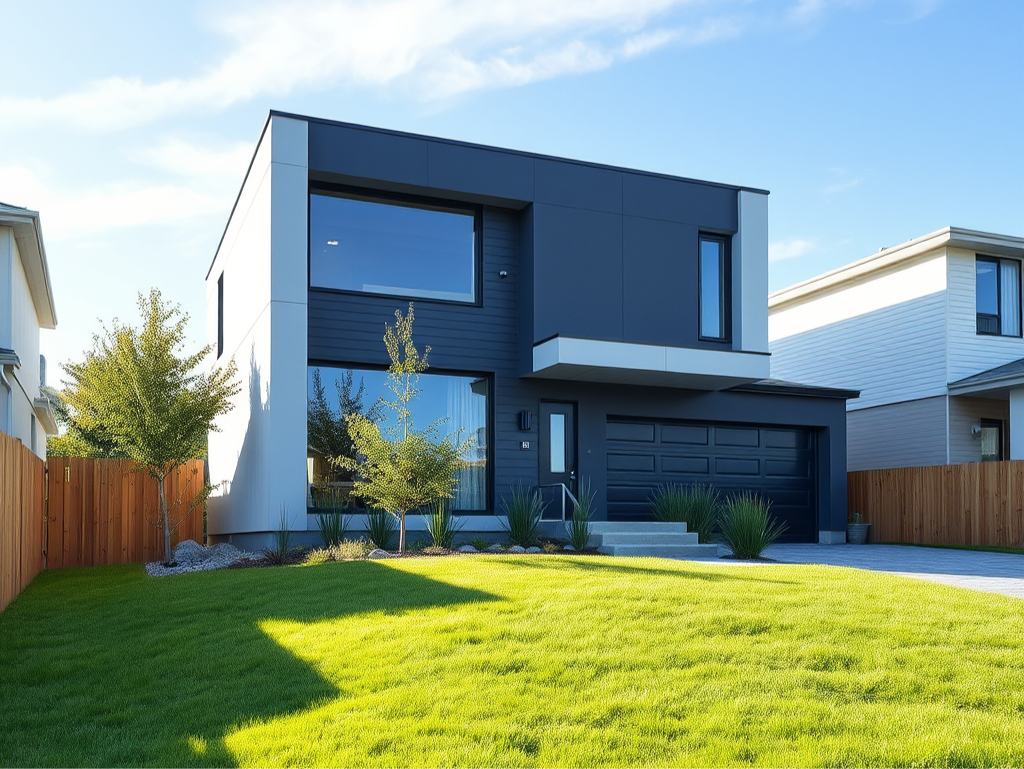
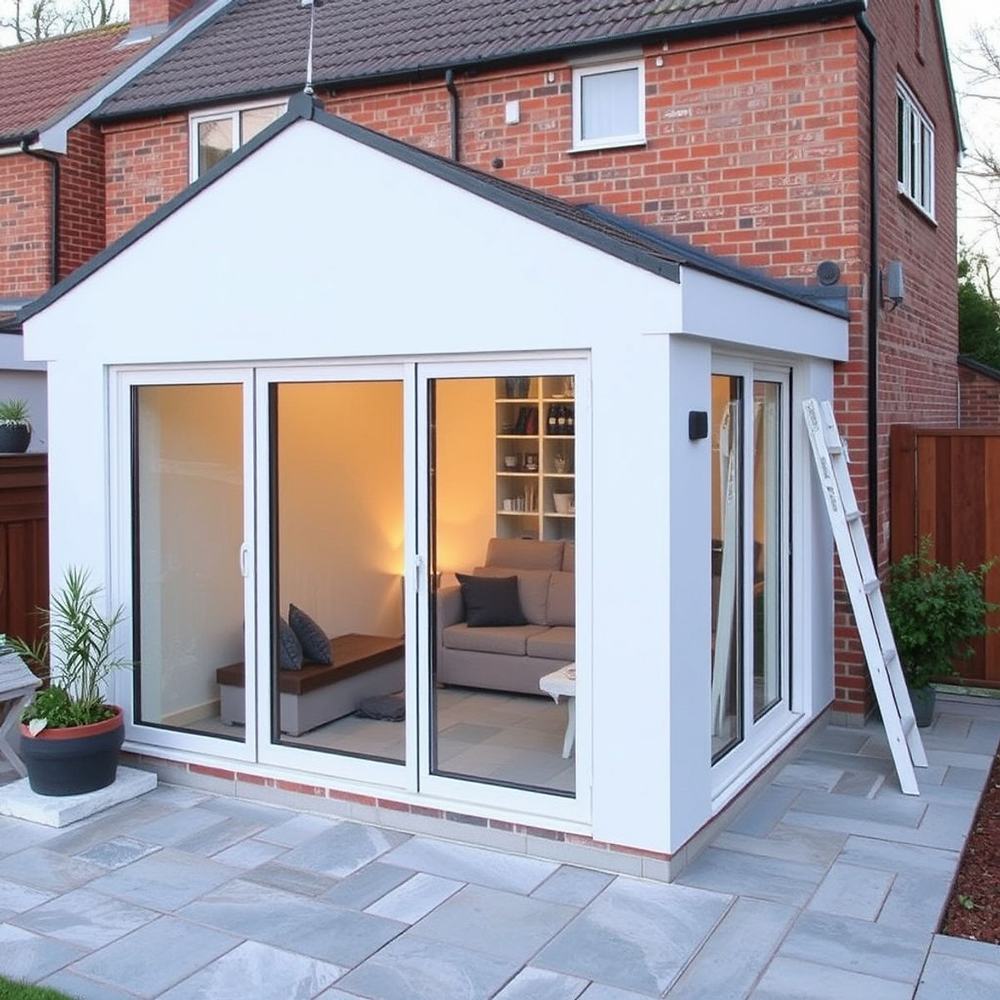
Modern home design has shifted toward cleaner lines, brighter interiors, and stronger connections between indoor and outdoor spaces. Two of the biggest trends leading this transformation are black window frames and large-format windows.
Black frames create contrast, depth, and a timeless architectural appearance that works beautifully with modern, minimalist, and even traditional homes. They help highlight the geometry of a home while giving both interiors and exteriors a more refined look.
At the same time, larger windows are changing how people experience their homes. Expansive glass allows more natural light into living spaces, creates a feeling of openness, and improves the visual connection to outdoor landscapes and backyards.
Beyond aesthetics, modern high-performance window systems can also improve energy efficiency, comfort, and long-term property value when properly designed and installed.
At Berm Inc., we work closely with our partner VireoHomes to provide modern window and exterior system solutions for residential projects, combining contemporary design with professional installation and building envelope expertise.
As architecture continues moving toward brighter, simpler, and more contemporary spaces, black-framed and large-scale windows are becoming more than a trend — they are now a defining feature of modern residential design.
Common questions
Are black window frames a passing trend?
Black frames have held their position for years now because they are a neutral detail rather than a colour statement — they frame views and disappear against dark cladding, which is why designers keep specifying them.
Do large windows hurt energy performance?
Not when they are specified and installed as part of the envelope. Large glazing needs a high-performance frame and glazing package, correct installation at the rough opening, and shading where summer sun would otherwise overheat the space.
What matters most when installing large windows?
The window-to-wall connection: a continuous air barrier, properly sequenced flashing and drainage, and structural support so the units do not rely on the frame for movement.
Disclaimer: This article is provided for general informational purposes only and should not be considered architectural, engineering, or construction advice.